Reflections from Benin: Sport, Leadership and Partnership
When I look back on our time in Benin, I see a powerful example of why NYSA exists.
– Emma Cotterill
Sport for good and sport for development are central to our mission. We believe sport can be a vehicle for joy, play, creativity, exploration, learning and growth. Seeing children and young people flourish through sport, regardless of where they live or what challenges they face, is something we care deeply about.
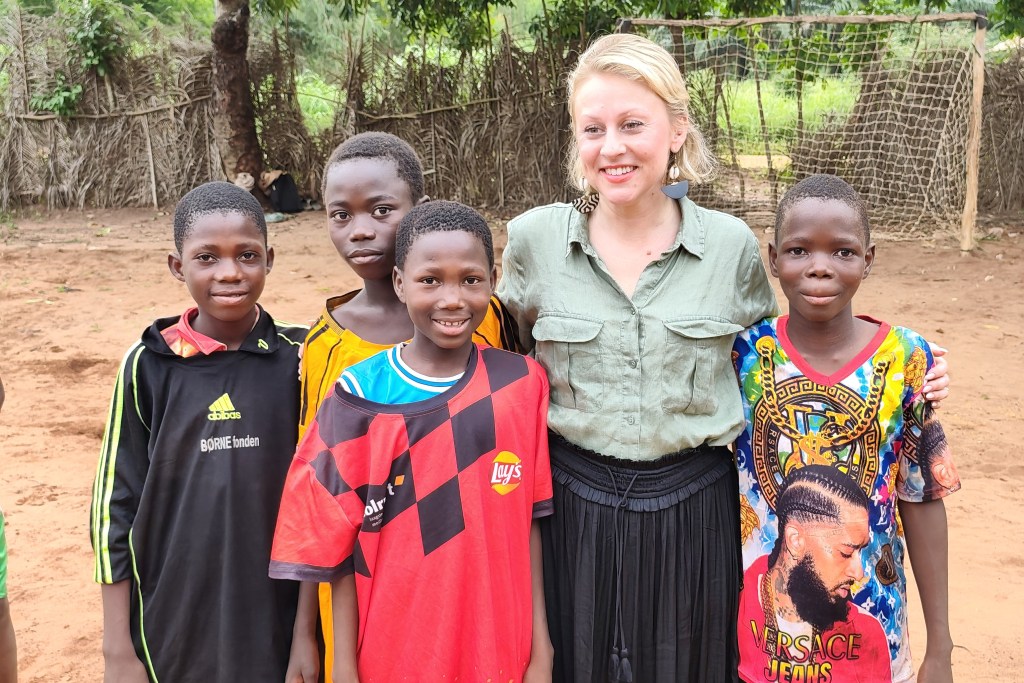
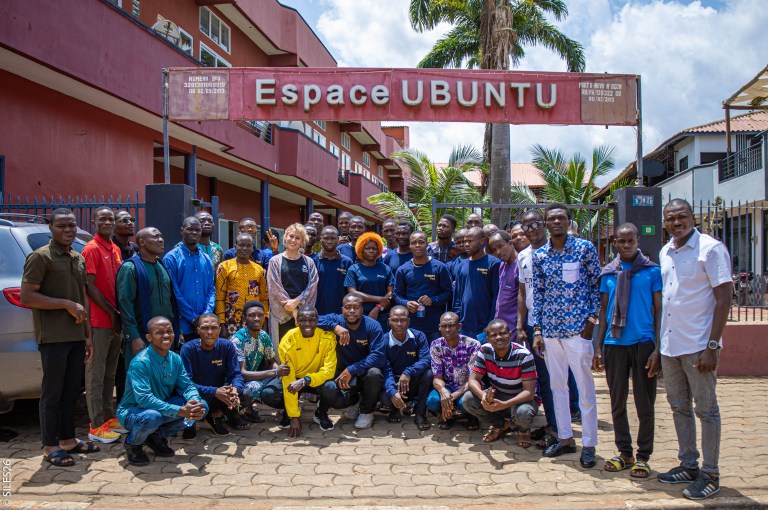
The opportunity to visit Benin came through relationships. We were invited to collaborate with Sport et Compassion, a local organisation actively involved in the training and support of leaders working across around 20 teams and serving approximately 350 children and young people, primarily in and around Porto-Novo.
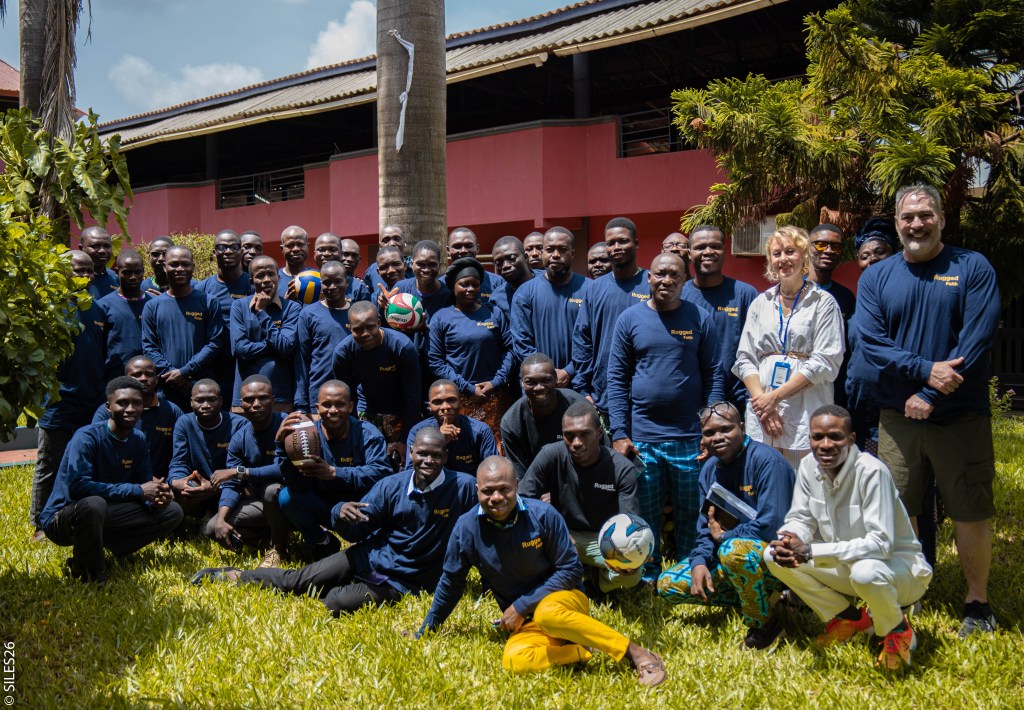
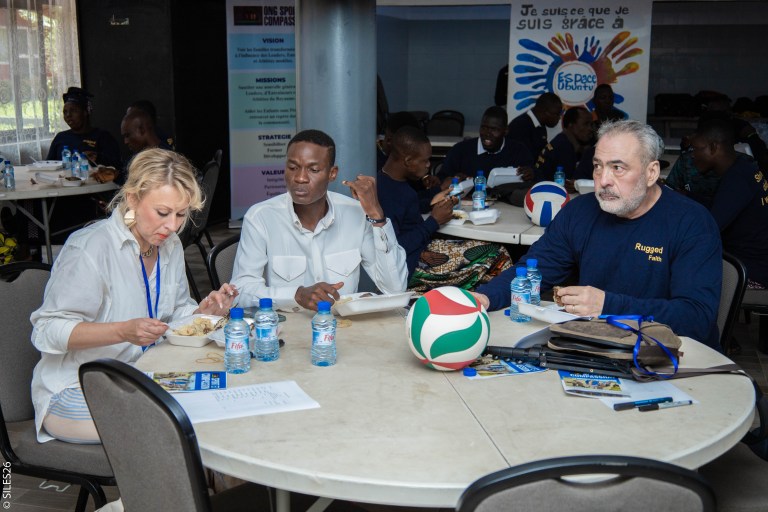
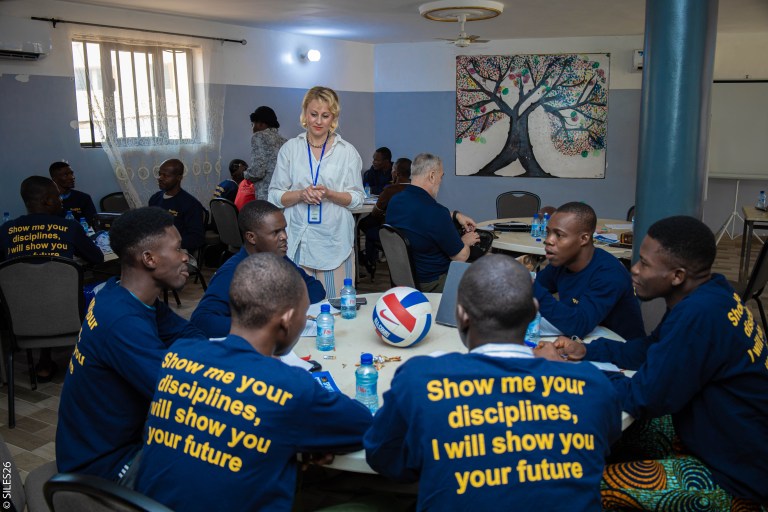
What made this experience particularly valuable was that we did not come simply to teach. We came to learn. Some of the richest moments came through sharing experiences with local leaders, exchanging good practices, discussing challenges and exploring opportunities together. Rather than delivering solutions, we spent time co-creating ideas and considering how sport could be used to address needs that local leaders had already identified within their own communities.
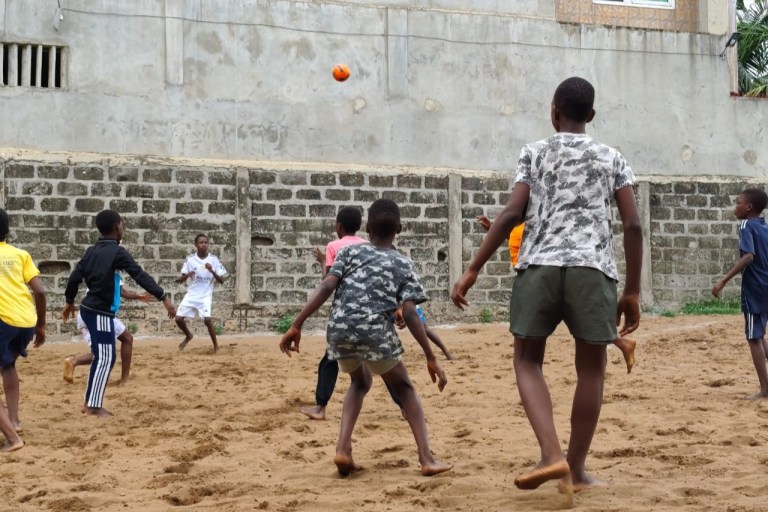
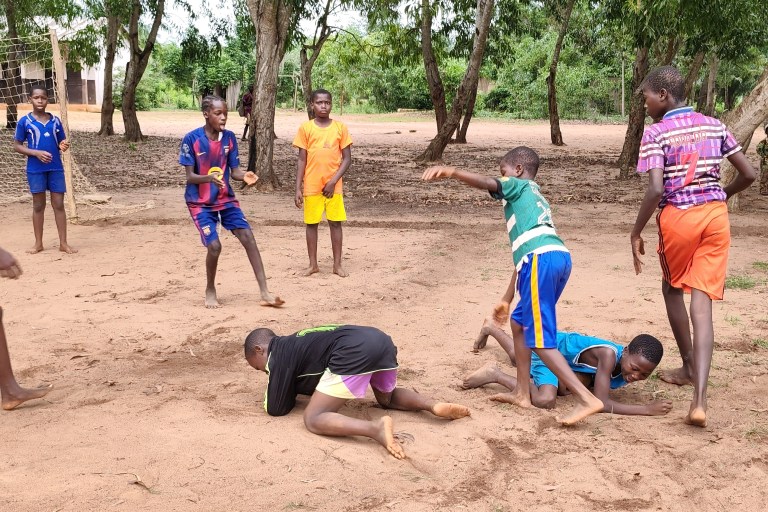
One of the strongest impressions I will take away from Benin is seeing children playing sport everywhere. In many places there were few formal facilities and limited infrastructure, yet children and young people continued to organise games, play together and use sport as a natural part of daily life.
For me, this was a reminder that the power of sport does not begin with facilities, programmes or funding. It begins with people. It begins with a desire to play, connect, learn and belong. Sport is already deeply embedded in communities. The opportunity for organisations like NYSA is not to arrive with all the answers or to create something entirely new, but to recognise, strengthen and support what is already present.
What I saw in Benin challenged the assumption that development always starts with resources. Instead, I saw creativity, resilience and initiative. The question is not whether there is potential. The potential is everywhere. The question is how we can work alongside local leaders to unlock that potential and create pathways for children and young people to flourish.
One of the things that struck me most was the commitment of local leaders. Travelling on the back of motorcycles across dirt roads is a normal part of life here and often the only practical way of reaching children and communities. Spending hours each day travelling in difficult conditions gave me a new appreciation for the effort, sacrifice and determination required to serve others consistently.

What initially appeared to be a logistical challenge revealed itself as a powerful environment for leadership formation. The leaders we met demonstrated resilience, patience, adaptability and problem-solving on a daily basis. We often had to adapt plans at short notice, overcome obstacles and find creative solutions. These experiences are shaping leaders in profound ways.
In Europe we often talk about adaptability, resilience and innovation as future leadership competencies. In Benin, many leaders are practising these skills every day simply because of the environments in which they serve. There is much we can learn from that experience.
Another significant lesson was the broader understanding of coaching that many leaders naturally hold. While performance and sporting development matter, many coaches also see themselves as mentors, role models, educators and community leaders. They are navigating complex issues around family expectations, parental engagement, dual careers and the wider development of children and young people.
This holistic approach to coaching is something from which we can learn a great deal. Many leaders are achieving remarkable outcomes with limited resources and are doing so because they understand that sport is about far more than performance. It is about people.

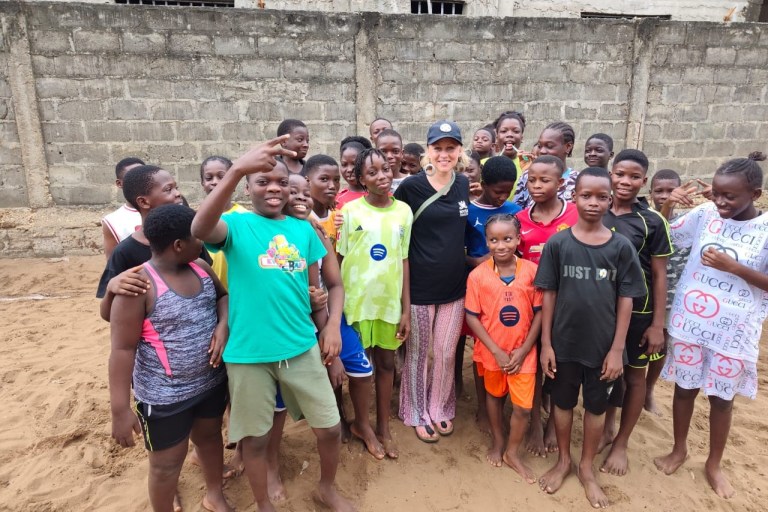
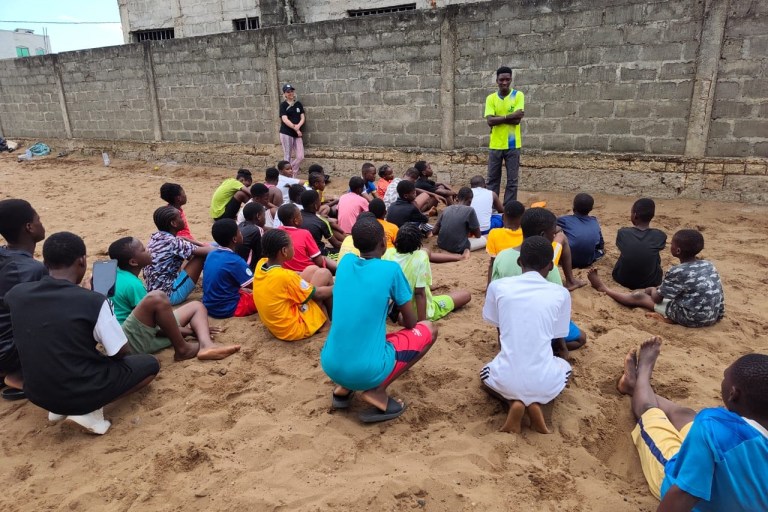
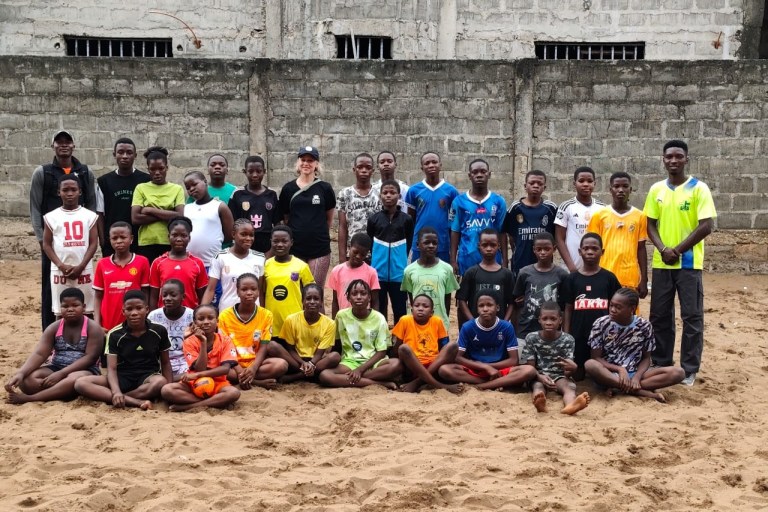
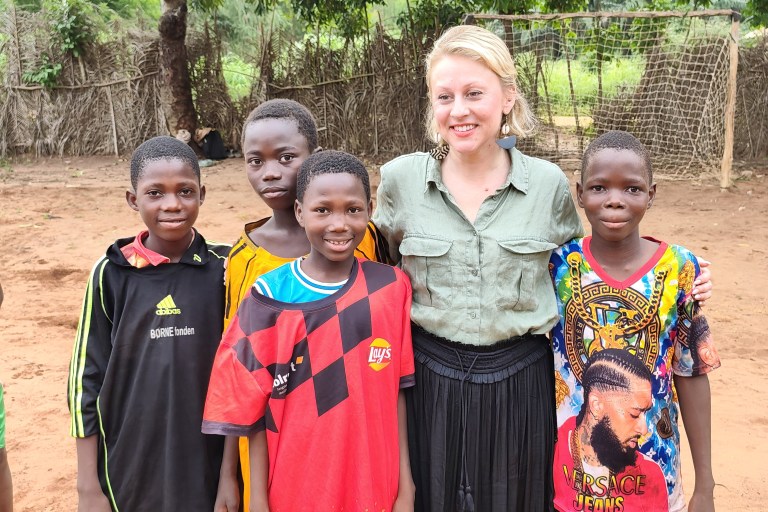
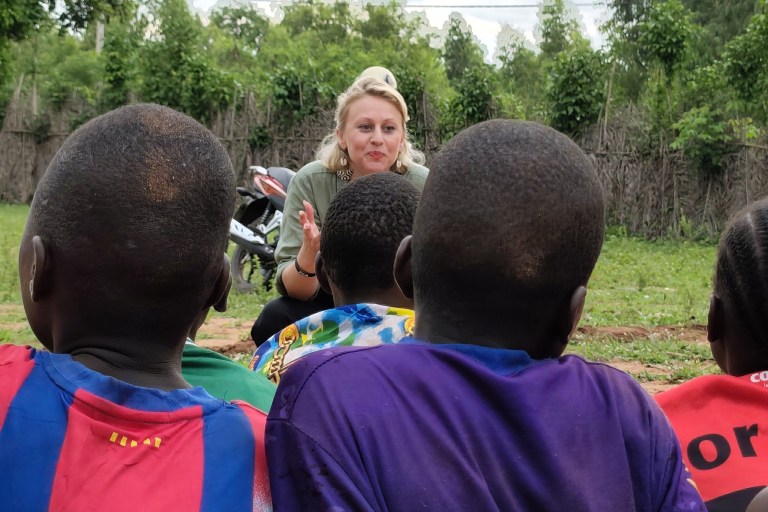
The trip reinforced my belief that sustainable change happens through local leadership. This work must happen with local pastors, churches, coaches and community leaders, not simply be delivered to them. Local leaders understand the realities, opportunities and challenges of their communities in ways that external organisations never fully can. Our role is to listen, learn, encourage, connect and support where invited.
Looking ahead, what I would love to see over the next six to twelve months is local leaders identifying strategic opportunities where sport can continue to strengthen communities and support children and young people. Rather than arriving with predetermined solutions, our hope is to continue building relationships and understanding where NYSA can genuinely add value to work that is already making a difference.
Working by invitation is important to us. We want to come alongside existing initiatives, helping local leaders develop their own vision and strengthen what is already creating impact. If we see greater collaboration, clearer priorities and new opportunities emerging from local leadership, I would consider that a significant success.
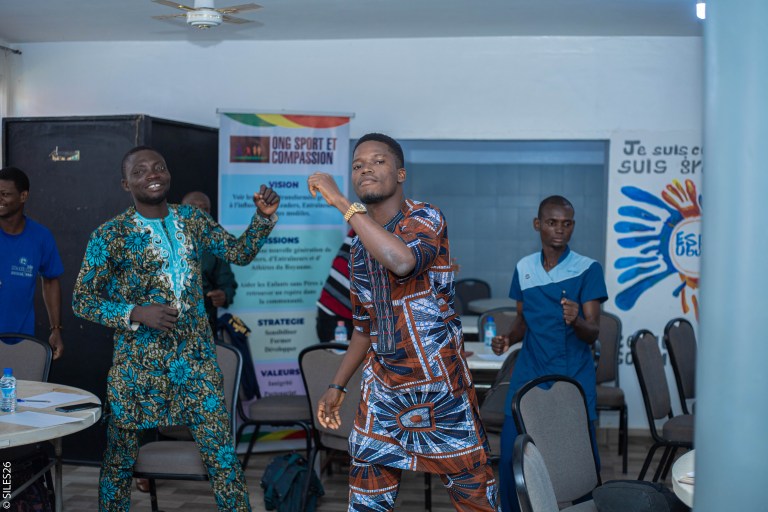
Perhaps what excites me most is not what happened during the training itself, but what may emerge afterwards. Throughout the week, leaders shared ideas, challenges, experiences and solutions with one another. New relationships were formed. New possibilities were discussed. The most important outcomes may well come from the conversations that continue long after the event has ended.
One of the biggest lessons for NYSA is that partnership must be a two-way exchange. We came to share, but we also came to learn. The leaders we met in Benin are achieving remarkable things with limited resources and often have a broader understanding of community-based coaching than we commonly see in Europe.
Benin reminded me that the future of sport for development is not found primarily in facilities, programmes, or external expertise. It is found in local leaders, strong relationships, resourcefulness, and communities that continue to create opportunities for children despite significant challenges.
The role of NYSA is not to bring answers, but to walk alongside leaders, learn together and support the good work that is already taking place.
– Emma